Medical Applications of Motion Control
In the healthcare sector, precision, reliability, and consistency are essential—and motion control technology is fundamental to achieving these standards. From diagnostics to treatment and rehabilitation, motion control components such as motors, actuators, controllers, encoders, and drive systems are integrated into a wide range of medical equipment.
Below are some of the key medical applications where motion control plays a crucial role:
Medical Imaging Equipment
Advanced imaging systems such as MRI, CT, PET, and X-ray machines rely on motion control for:
- Accurate patient positioning
- Smooth gantry movement and rotation
- Table adjustment and indexing
- Detector alignment
In MRI environments, non-magnetic components—such as piezoelectric or pneumatic actuators—are essential.

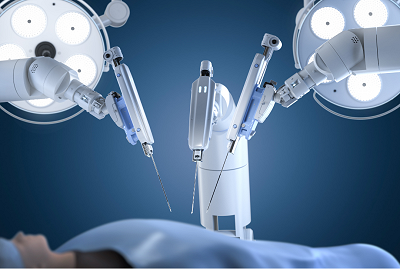
Surgical Robotics
Robotic-assisted surgery systems utilise high-performance motion control to provide:
- Fine, precise instrument movement
- Actuation of minimally invasive surgical tools
- Real-time haptic feedback and enhanced control
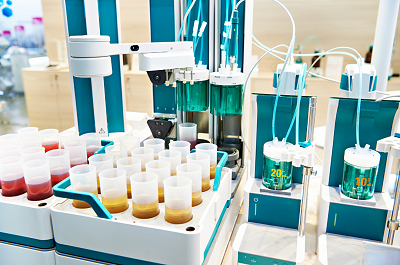
Laboratory Automation
Laboratories require automated motion systems to improve throughput and consistency in:
- Sample handling, pipetting, and mixing
- Diagnostic analysis and high-speed testing
- DNA sequencing and cell imaging
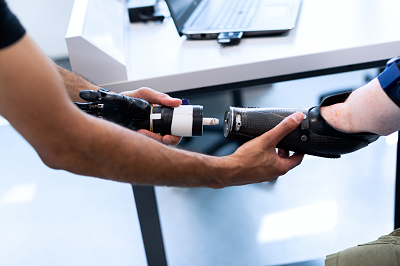
Prosthetics and Exoskeletons
Advanced prosthetic limbs and mobility-assistive exoskeletons are powered by motion control systems that:
- Enable natural joint movement
- Provide user-adaptive control
- Incorporate brushless DC motors and intelligent feedback mechanisms
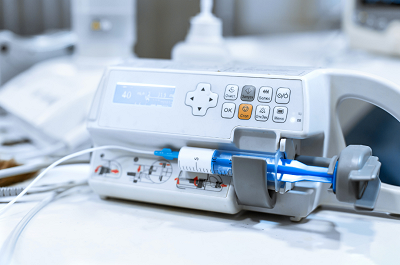
Infusion and Drug Delivery Devices
Reliable drug administration is achieved through:
- Precise linear actuators in infusion pumps and syringe drivers
- Servo or stepper motors ensuring accurate dosage and flow rate control
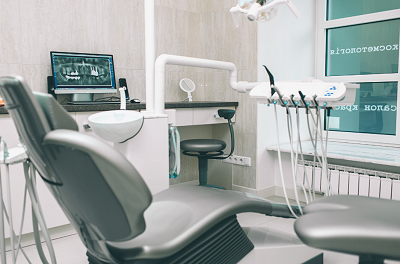
Patient Positioning Systems
Motion control solutions enhance the functionality of:
- Hospital beds, surgical tables, and dental chairs
- Smooth and quiet adjustments
- Linear actuators equipped with limit switches and position sensors
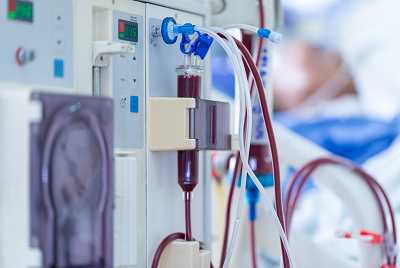
Dialysis Equipment
Dialysis machines rely on motion control to manage:
- Fluid flow using peristaltic pumps and valves
- Accurate timing of blood filtration cycles
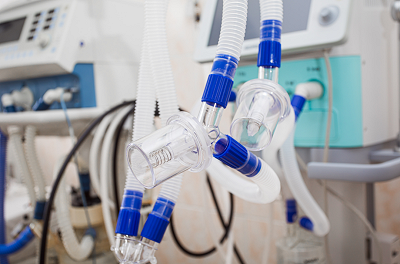
Respiratory and Ventilation Devices
Ventilators and similar devices require motion control for:
- Regulating airflow and pressure levels
- Responding in real time to patient breathing patterns
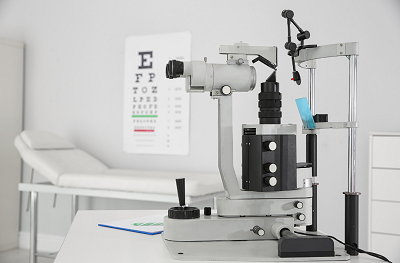
Ophthalmic Instruments
Eye care systems benefit from motion control for:
- Precision alignment and focusing in laser surgery and diagnostics
- Smooth operation of devices such as slit lamps and phoropters
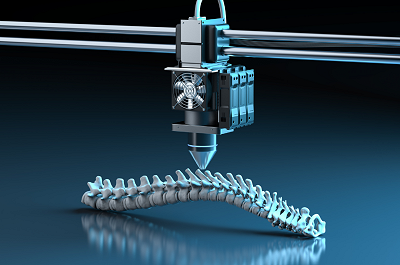
Bioprinting and Medical 3D Printing
Medical 3D printing and bioprinting systems depend on:
- High-accuracy multi-axis motion control
- Consistent layer-by-layer deposition of biomaterials and scaffolds