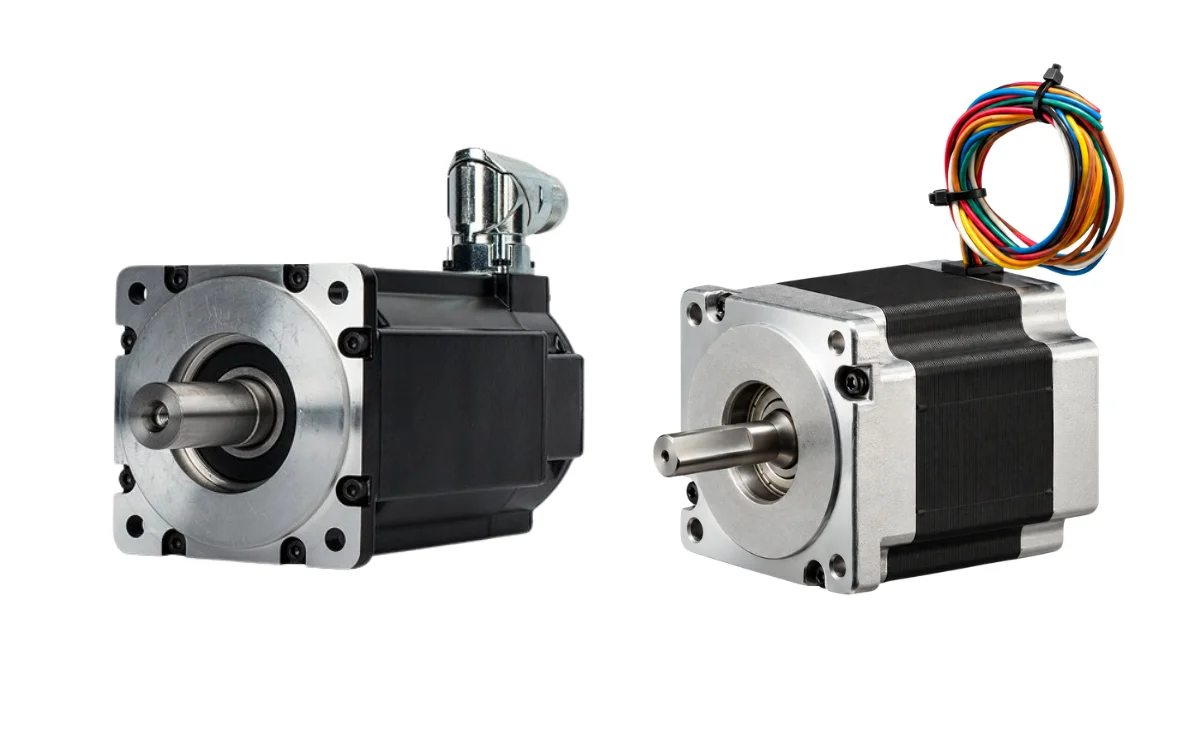
Selecting the right motor is essential when designing medical equipment. From laboratory automation and diagnostic systems to medical pumps and drug delivery equipment, each application has specific requirements for precision, speed, torque and reliability.
This guide explores the key factors to consider when selecting a motor for medical equipment, including different motor technologies, performance requirements and integration considerations.
Medical Motor Selection: At a Glance
Selecting the right motor for medical equipment requires careful consideration of performance, precision and operating conditions. Here are four key factors to evaluate.
Precision & Repeatability
✓ Positioning accuracy
✓ Motion resolution
✓ Consistent movement
Torque & Speed
✓ Load requirements
✓ Operating speed
✓ Acceleration & duty cycle
Size & Integration
✓ Available installation space
✓ Motor configuration
✓ Mechanical integration
Reliability & Environment
✓ Thermal performance
✓ Noise & vibration
✓ Operating conditions
Choosing the Right Motor Technology
Stepper Motors
Precise incremental movement for laboratory automation, dosing and positioning.
Servo Motors
Closed-loop control for applications requiring dynamic performance, variable speeds and accurate positioning.
Frameless Motors
Compact, integrated solutions for medical equipment where space and mechanical design are critical.
Matching Motors to Medical Applications
Different medical applications have different motion control requirements. Selecting the appropriate motor technology depends on factors including positioning accuracy, speed, torque, available space and operating conditions.
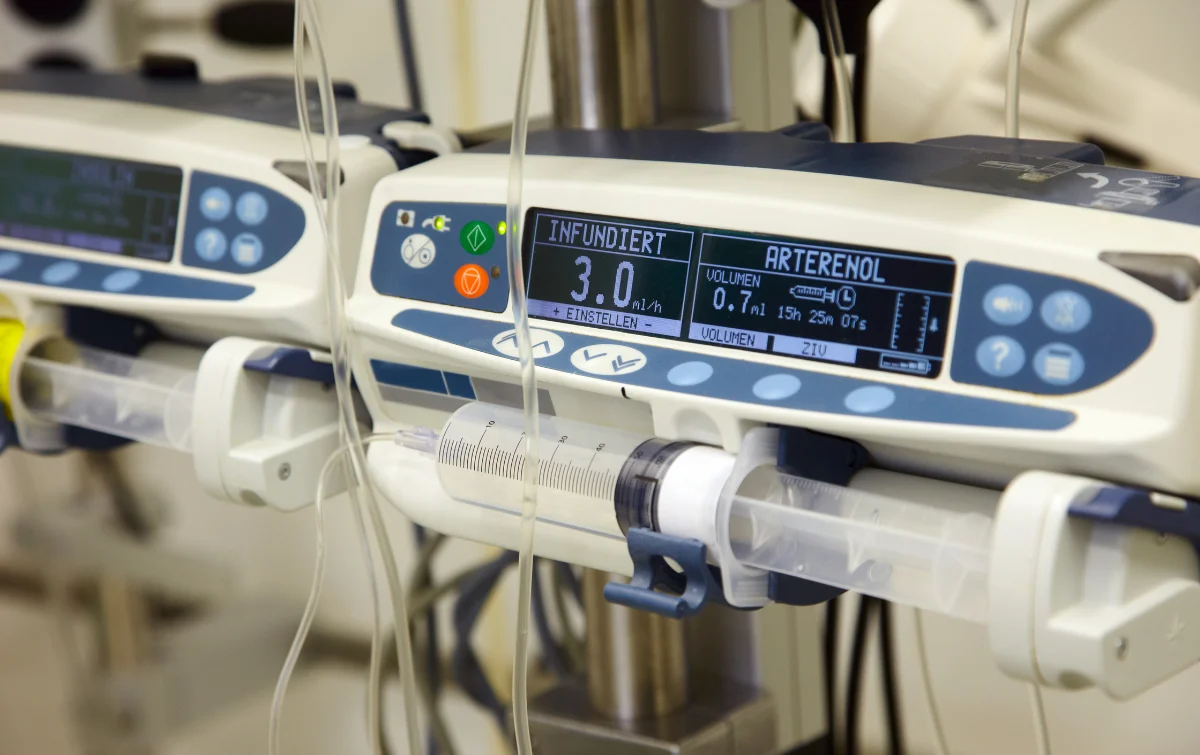
Medical Pumps & Drug Delivery
Medical pumping systems require controlled, repeatable movement to support accurate fluid delivery. Stepper motors, servo motors and motor-driven linear actuators can be considered depending on the pumping mechanism, flow requirements and control architecture.
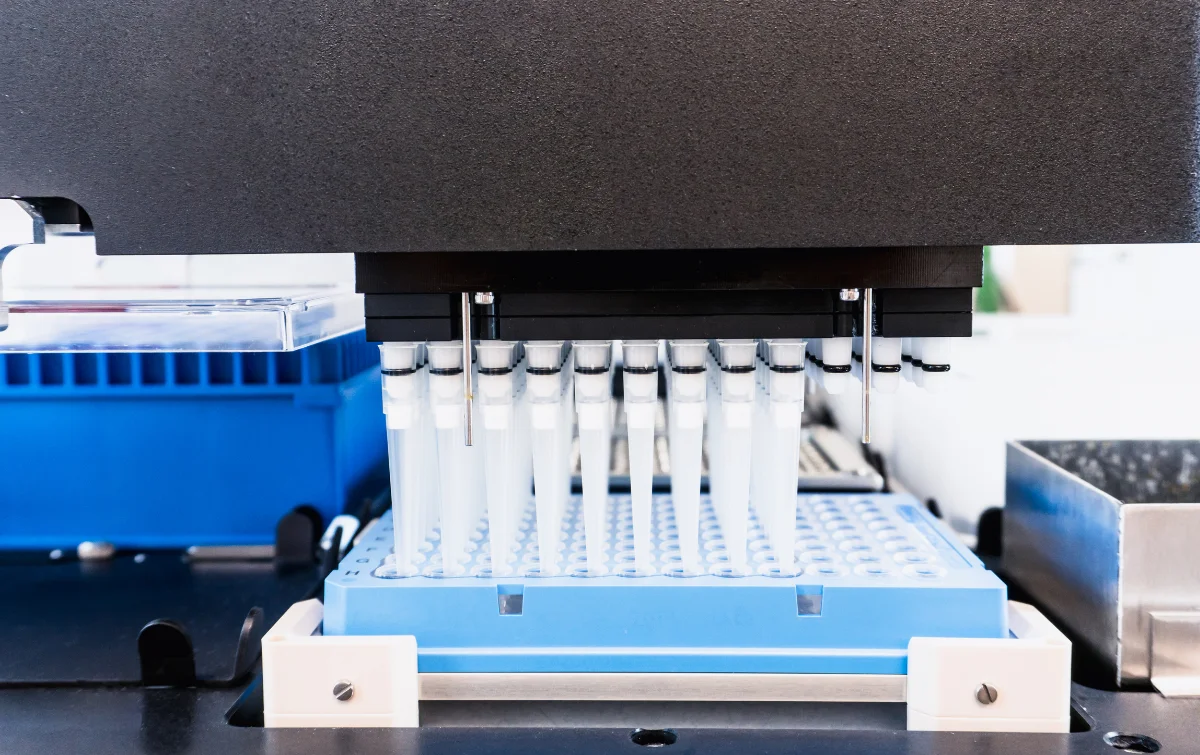
Laboratory Automation
Automated laboratory equipment requires precise, repeatable motion for sample handling, analysis and testing. Stepper motors, servo motors and compact linear actuators can provide accurate positioning and controlled movement for applications such as automated pipetting, sample preparation and diagnostic equipment.
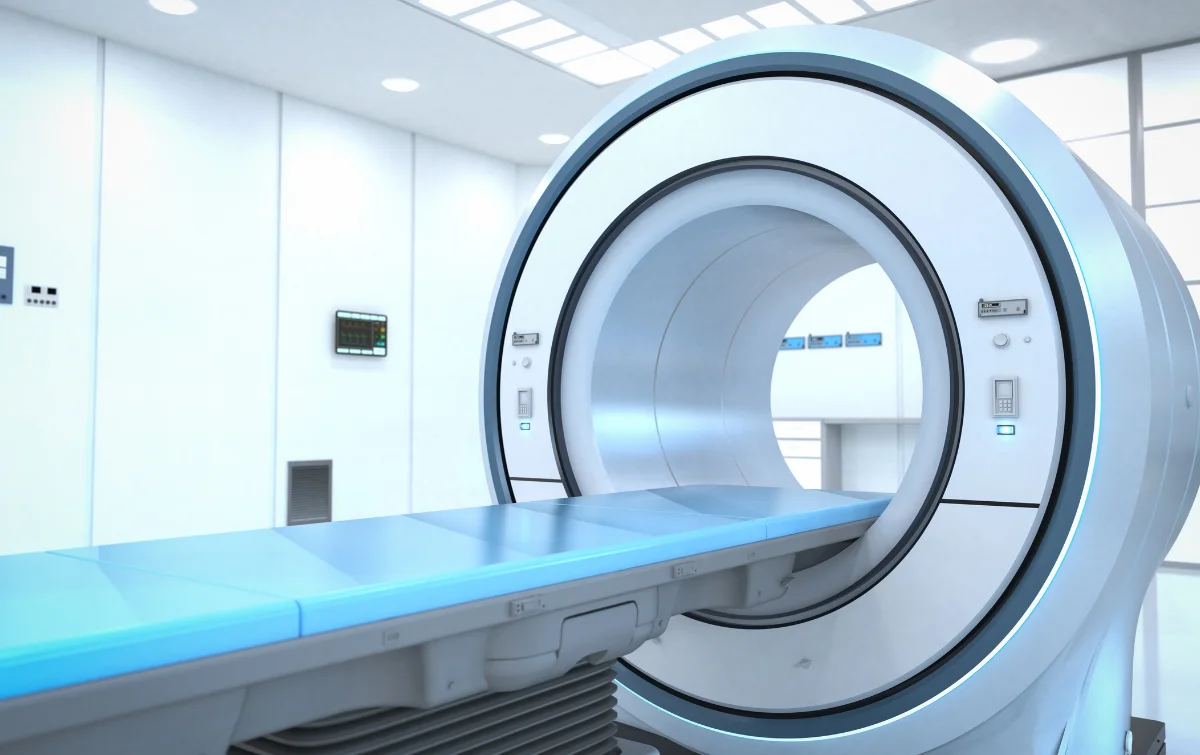
Surgical & Diagnostic Equipment
Surgical and diagnostic equipment demands precise, reliable motion within compact designs. Servo motors, stepper motors and frameless motors can support applications such as robotic surgical systems, medical imaging equipment and automated diagnostic devices, where accurate positioning, smooth movement and repeatability are essential.
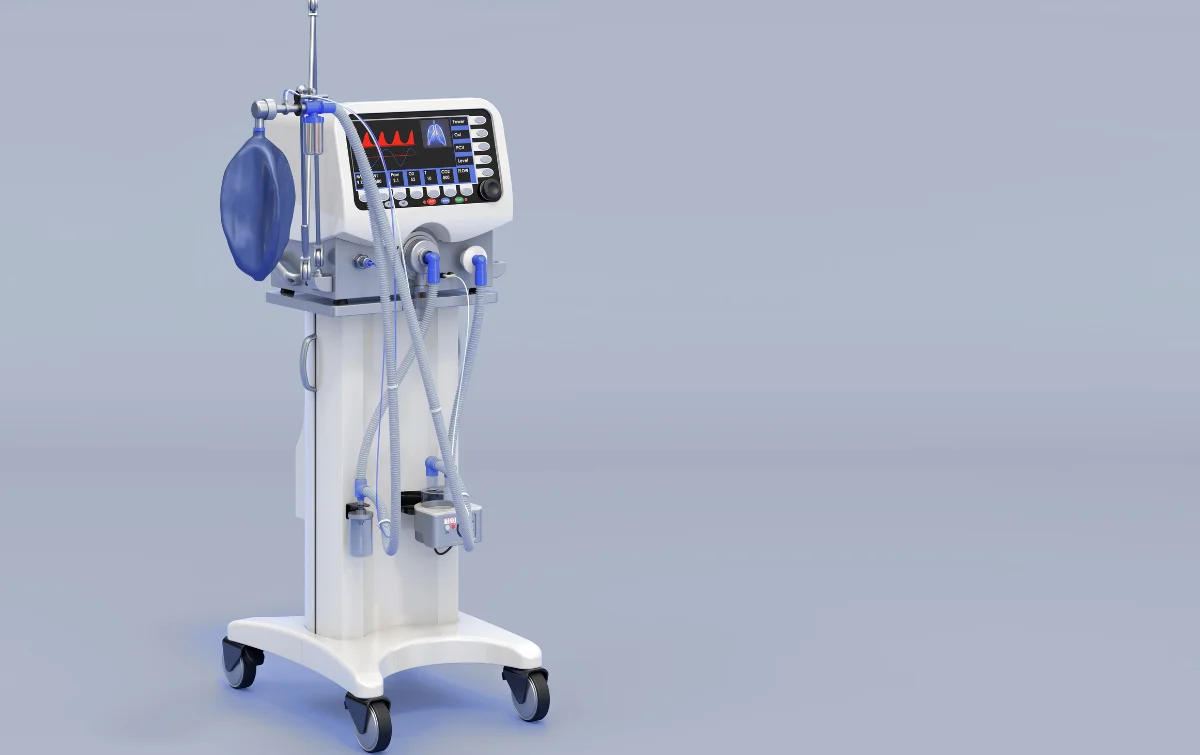
Life Support & Respiratory Equipment
Life support and respiratory equipment requires reliable, precisely controlled motion to support critical medical functions. Depending on the application, brushless DC motors and servo motors can provide efficient, responsive operation for ventilators, medical air delivery systems and other respiratory devices.
Motor selection must consider continuous operation, noise, vibration, thermal performance and the equipment’s reliability requirements.
Key Considerations for Medical Motor Selection
Even when a motor meets the application’s performance requirements, several additional factors can influence its suitability for medical equipment.
Accuracy & Patient Safety
Consider the consequences of positioning errors and how feedback, monitoring and appropriate control systems can support reliable operation.
Compact Design & Integration
Medical equipment often has limited installation space. Evaluate motor dimensions, power density and integration with the mechanical assembly.
Quiet & Smooth Operation
Minimise noise, vibration and unwanted movement, particularly in patient-facing equipment and sensitive diagnostic applications.
Continuous Performance & Reliability
Assess operating temperatures, duty cycles, maintenance requirements and expected service life to support dependable operation.
Need Help Choosing the Right Motor?
Our team can help you select the right servo or stepper motor for your application, taking into account speed, torque, accuracy, load requirements and control complexity.
Key Differences: Servo vs Stepper Motors
Servo and stepper motors can both provide precise motion control, but their performance characteristics differ significantly. The comparison below highlights the main factors to consider when selecting the right motor for your application.
Control
Servo Motor: Closed-loop feedback
Stepper Motor: Typically open-loop
Accuracy
Servo Motor: Very high positioning accuracy
Stepper Motor: Good positioning accuracy
Speed
Servo Motor: Performs well at high speeds
Stepper Motor: Best suited to lower speeds
Torque
Servo Motor: Strong torque across a wide speed range
Stepper Motor: High holding torque; torque reduces as speed increases
Load Changes
Servo Motor: Adapts well to changing loads
Stepper Motor: Best with predictable loads
Complexity
Servo Motor: More complex control system
Stepper Motor: Simpler control system
Cost
Servo Motor: Generally higher
Stepper Motor: Generally lower