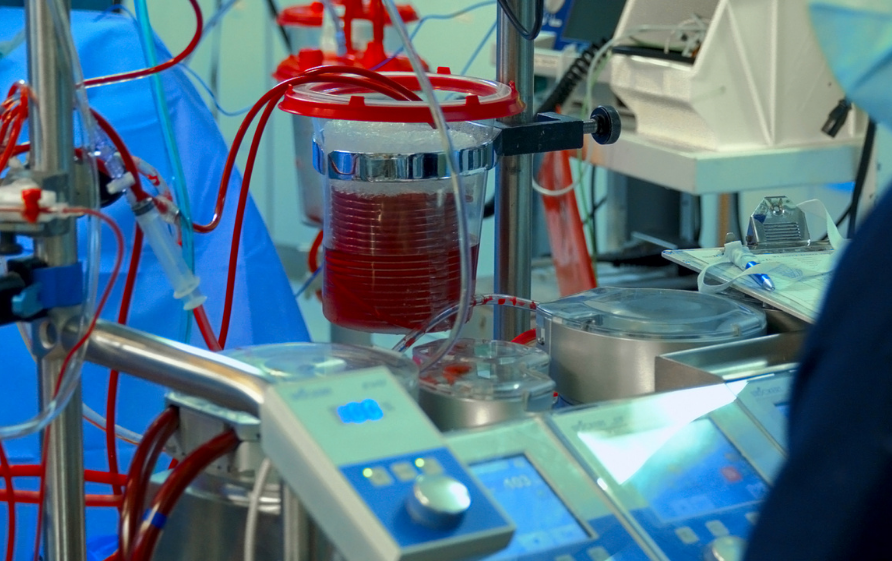
Centrifugal pumps are essential components in many medical and healthcare devices, including dialysis machines, blood circulation systems, medical imaging equipment, and laboratory apparatus. Selecting the appropriate motor to drive these pumps is crucial as it impacts performance, patient safety, reliability, and hygiene standards.
Importance of Centrifugal Pumps in Medical Equipment
In medical devices, centrifugal pumps perform precise fluid handling tasks such as:
- Circulating blood or dialysis fluids gently to avoid damage to delicate cells.
- Delivering medicines or fluids at carefully controlled flow rates.
- Cooling components in imaging devices like MRI or CT scanners.
Key Motor Requirements for Medical Centrifugal Pumps
Precision and Smooth Operation
Motors must provide smooth and accurate control to prevent sudden surges or drops in flow, ensuring consistent fluid delivery essential for patient safety.
Low Noise and Vibration
To maintain a quiet clinical environment and patient comfort, motors with minimal noise and vibration are preferred.
Compact and Lightweight Design
Medical devices often have limited space, so motors need to be compact and lightweight without compromising power.
High Reliability and Longevity
Medical equipment must function reliably over long periods with minimal maintenance to avoid treatment interruptions.
Sterility and Cleanroom Compatibility
Motors and pumps must comply with strict hygiene standards, including sealed enclosures to prevent contamination and facilitate cleaning.
Types of Motors Used in Medical Centrifugal Pumps
- Brushless DC Motors (BLDC)
Favoured for their high efficiency, precise speed control, low noise, and long operational life. Being electronically commutated, they eliminate brushes, reducing wear and the risk of particle contamination. - Permanent Magnet Synchronous Motors (PMSM)
These offer excellent torque control and efficiency, suitable for applications requiring precise flow rates. - Micro Induction Motors
Sometimes used for less demanding tasks, valued for their robustness and simplicity.
Control Technologies
- Closed-Loop Feedback Systems
Utilising sensors such as encoders or Hall-effect sensors to provide real-time speed and position feedback ensures accurate pump performance. - Variable Frequency Drives (VFDs) or Electronic Controllers
Allow adjustable motor speeds, enabling tailored fluid delivery and energy efficiency.
Safety and Compliance
Medical devices must adhere to rigorous standards such as ISO 13485 for medical device quality management and IEC 60601 for electrical safety. Motors employed in centrifugal pumps must be certified to these standards to ensure patient and operator safety.
Applications in the Medical Sector
- Haemodialysis Machines
Precisely control blood and dialysate flow while minimising cell damage. - Cardiopulmonary Bypass Systems
Ensure continuous and reliable blood circulation during surgery. - Infusion Pumps
Deliver fluids accurately at controlled rates. - Laboratory Equipment
Handle reagents and samples with precision and sterility.
Summary
Motors for centrifugal pumps in the medical sector must meet exacting standards for precision, reliability, hygiene, and safety. Brushless DC and permanent magnet synchronous motors dominate this sector due to their superior control, efficiency, and compact size. Combined with advanced control systems, these motors enable vital medical devices to operate safely and effectively.
Need assistance with a new project? Contact our engineers — we’re ready to help get the ball rolling.