Introduction
In today’s world of modern medicine, accuracy and dependability are essential. Whether it’s a robotic surgical arm, an MRI scanner, or a patient monitoring system, every movement and adjustment must be exact. This is where servo motors play a vital role. These compact, high-performance motors are the driving force behind many of today’s most advanced medical machines.
What Are Servo Motors?
A servo motor is a specialised electric motor designed for precise control of position, velocity and acceleration. Operating with a built-in feedback mechanism, it constantly monitors and adjusts its performance to match the desired output. This makes servo motors ideal for applications where even the slightest deviation can make a difference — such as in medical, diagnostic and laboratory equipment.
Applications of Servo Motors in the Medical Sector
Servo motors are used in a wide variety of healthcare and life-science systems, including:
- Robotic Surgery Systems
Surgical robots rely on servo motors for smooth, controlled and repeatable motion. These motors enable surgeons to perform delicate procedures with exceptional accuracy and minimal invasiveness. - Imaging Equipment (CT, MRI and X-ray Machines)
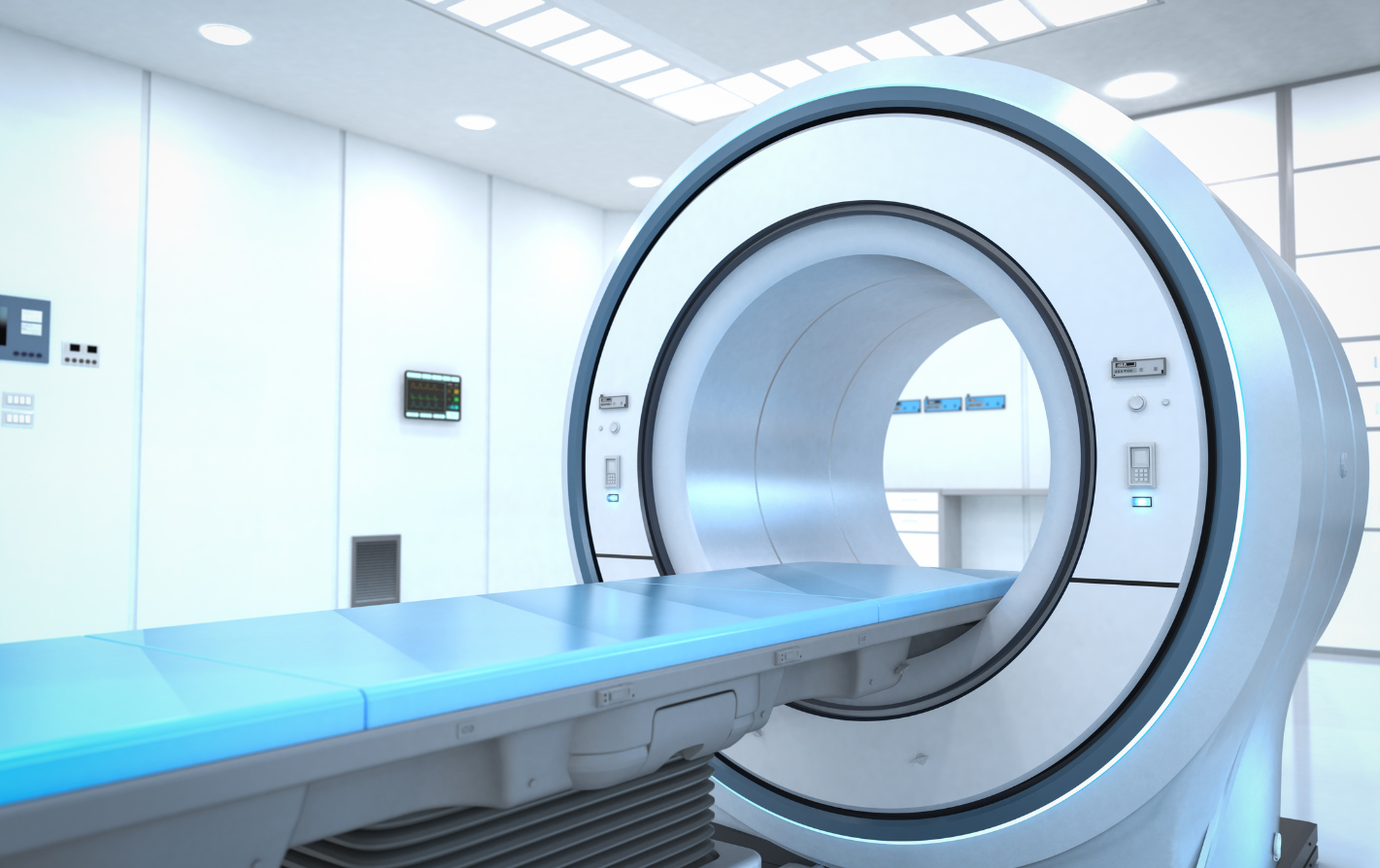
Servo motors ensure accurate positioning of imaging components, producing clearer images and faster scanning times. - Patient Care and Mobility Devices
Electric hospital beds, wheelchairs and rehabilitation machines use servo motors to adjust positions safely and comfortably. - Laboratory Automation
Servo-driven pipetting and dispensing systems enable high-speed, precise liquid handling — vital in diagnostics and pharmaceutical research. - Dental and Ophthalmic Equipment
Servo motors deliver fine control in dental drills, microscopes and laser positioning systems, enhancing precision and patient safety.
Key Advantages of Servo Motors in Medical Devices
- High Precision and Repeatability: Servo systems maintain tight control over motion, critical for surgical and diagnostic applications.
- Compact Design: Small form factors allow easy integration into portable or space-restricted devices.
- Low Noise and Vibration: Ideal for use in quiet, sensitive hospital and laboratory environments.
- Energy Efficiency: Servo motors use power efficiently, reducing heat output and improving system lifespan.
- Reliability: Designed for continuous, error-free operation, ensuring both patient safety and maximum equipment uptime.
Selecting the Right Servo Motor for Medical Applications
When specifying a servo motor for medical use, consider the following:
- Torque and Speed Requirements
- Precision Level
- Feedback Type (Encoder or Resolver)
- Cleanroom and Hygiene Compatibility
- Compliance with Medical Standards (e.g. ISO 13485, UK CA, CE)
Conclusion
Servo motors are the quiet enablers behind many life-saving technologies. Their unmatched precision, reliability and responsiveness make them indispensable in modern medical engineering. As healthcare technology continues to advance, the role of servo motors will only grow — powering innovations that improve patient outcomes and shape the future of medical equipment design.
About Micromech
As a leading UK distributor, Micromech supplies and supports servo motors from a range of world-class manufacturers, offering tailored solutions to meet the specific regulatory and performance requirements of medical and life-science applications. The company also provides expert advice and full engineering support for OEMs across the medical, laboratory, and life-science sectors.
To speak to one of our engineers, please visit our Contact Us page