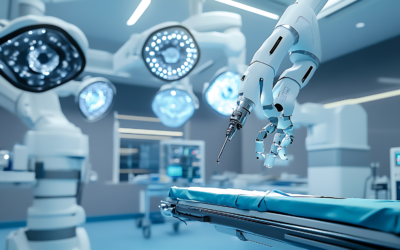
Precision motors are driving safer, more reliable blood circulation in medical devices.
Introduction
Medical device engineers are making significant strides in developing peristaltic blood pumps, thanks to innovations in motor technology. These pumps are widely used in hospitals and research laboratories. Moreover, they rely on carefully controlled motors to ensure precise blood flow without causing damage to blood cells.
How Peristaltic Blood Pumps Work
Peristaltic blood pumps work by compressing flexible tubing in a controlled sequence, mimicking a peristaltic wave. Therefore, the motors must combine high precision, smooth operation, and reliability. Even small fluctuations in speed or torque can affect performance and compromise patient safety.
Motor Technology Advancements
Recent advancements in motor technology, including brushless DC (BLDC) motors and servo motors, have improved both the accuracy and lifespan of peristaltic blood pumps. Additionally, these motors provide precise rotational control, low vibration, and consistent torque. As a result, blood flow is smoother and haemolysis — the destruction of red blood cells — is reduced.
Furthermore, integrating advanced feedback systems, such as encoders and torque sensors, allows for real-time monitoring and adjustments. Consequently, pumps maintain consistent output even under varying loads. This is crucial for sensitive medical applications, including dialysis, cardiopulmonary bypass, and laboratory research.
Future Trends and Applications
Industry trends show that the continued development of compact, energy-efficient motors will further enhance peristaltic pump capabilities. These innovations will enable smaller, portable devices suitable for bedside treatment or home care. In turn, this expands access to critical therapies.
Motor technology is central to modern peristaltic pumps. By improving precision and reliability, these advancements increase device performance and enhance patient safety.
Conclusion
With ongoing research and collaboration between motor manufacturers and medical device companies, the future of peristaltic blood pumping looks promising. Therefore, as these technologies evolve, patients and healthcare providers can benefit from safer, more efficient blood circulation solutions.
For more information on suitable motors and drive solutions for peristaltic blood pumps, contact our engineers.