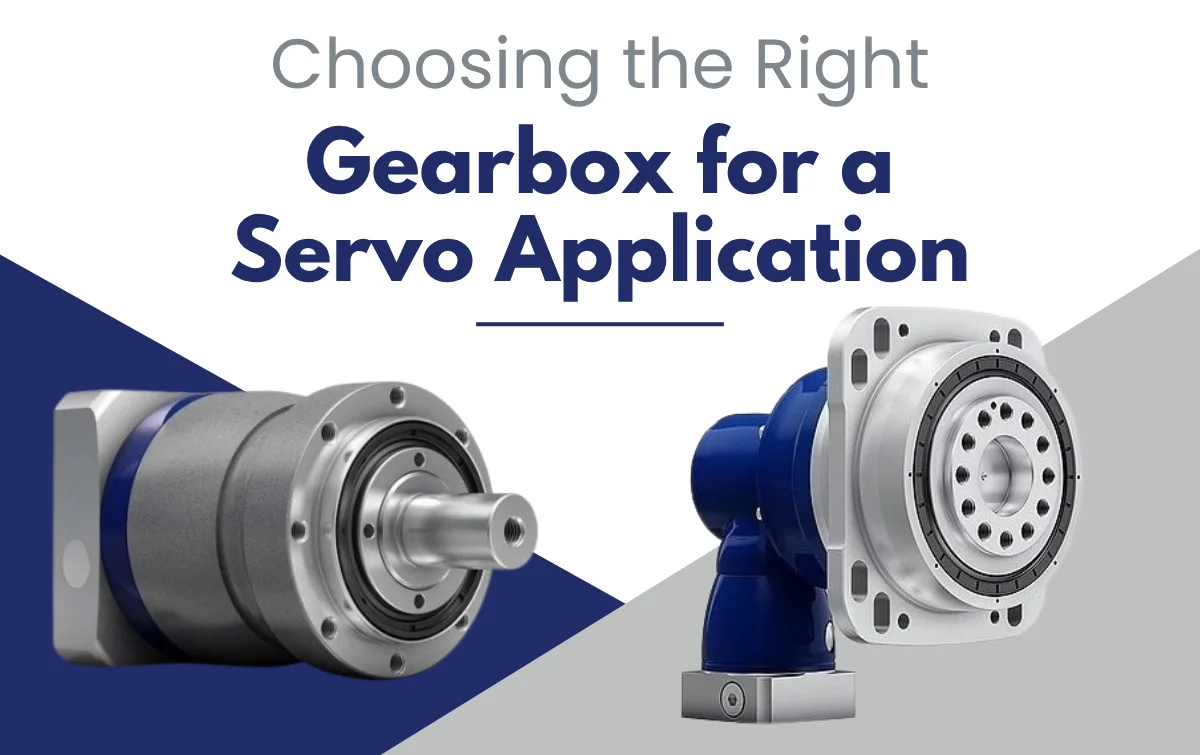
Choosing the right gearbox is an important part of designing an efficient and reliable servo motion system. The gearbox needs to work effectively with the servo motor while meeting the application’s requirements for torque, speed, positioning accuracy and mechanical load.
A correctly selected gearbox can increase available torque, reduce output speed and help match the motor to the load. However, factors including gear ratio, backlash, torsional rigidity and duty cycle also need to be considered.
This guide looks at the key factors to consider when selecting a gearbox for a servo application.
At a Glance
TORQUE & RATIO
Match the gearbox to the required output torque and speed.
BACKLASH & RIGIDITY
Important considerations for positioning accuracy and dynamic performance.
SPEED & LOADS
Consider operating speed together with radial and axial loading.
DUTY & INSTALLATION
Account for the operating cycle, mounting arrangement and available space.
Key Factors When Choosing a Servo Gearbox
Torque
Consider both continuous and peak torque requirements.
Gear Ratio
Match motor speed to the required output speed and torque.
Backlash
Lower backlash helps improve positioning accuracy when direction changes.
Torsional Rigidity
Higher rigidity reduces gearbox deflection under load.
Speed & Loads
Check operating speeds together with radial and axial loads.
Duty Cycle
Consider acceleration, deceleration and repetitive operation.
Planetary vs Right-Angle Gearboxes
Planetary and right-angle gearboxes can both be used in servo applications, but their mechanical arrangements make them suited to different machine designs and performance requirements.
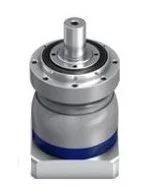
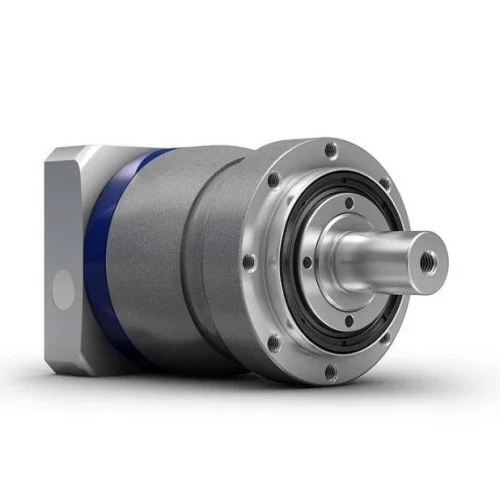
PLANETARY GEARBOX
- Inline motor and output arrangement
- High torque density
- Low-backlash options
- Compact design
- Well suited to precision servo applications
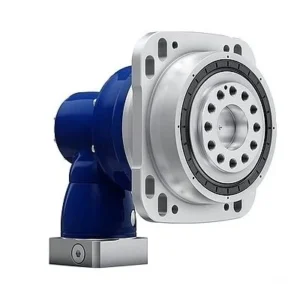
RIGHT-ANGLE GEARBOX
- Changes drive direction by 90°
- Useful where installation space is restricted
- Compact machine layouts
- Different gearing configurations available
- Suitable for a wide range of servo applications
Gearbox Sizing Considerations
Correct gearbox sizing is essential for reliable performance and service life. The gearbox must be capable of handling the application’s torque, speed and dynamic loads while providing the required output performance.
GEAR RATIO
Motor Speed
÷
Required Output Speed
Example
3000 rpm ÷ 500 rpm
6:1
Calculating Gear Ratio
Gear ratio determines the relationship between the servo motor speed and the gearbox output speed.
Gear Ratio = Motor Speed ÷ Required Output Speed
For example, if a servo motor operates at 3000 rpm and the required output speed is 500 rpm, a 6:1 ratio is required.
The gearbox reduces the output speed while increasing the available output torque. The selected ratio should therefore suit both the required machine speed and torque.
Backlash, Accuracy and Rigidity
For precision servo applications, gearbox performance is influenced by both backlash and torsional rigidity. These characteristics affect positioning accuracy, repeatability and the dynamic response of the machine.
Backlash
Backlash is the small amount of movement that can occur between mating gear teeth when the direction of rotation changes. Low-backlash gearboxes are particularly important in applications requiring accurate positioning and frequent reversing motion.
Torsional Rigidity
Torsional rigidity describes the gearbox’s resistance to twisting under load. Higher rigidity helps maintain accurate positioning during acceleration and deceleration and can improve the responsiveness of the servo system.
For demanding servo applications, consider:
✓ Low backlash
✓ High torsional rigidity
✓ Positioning accuracy
✓ Repeatability
✓ Dynamic response
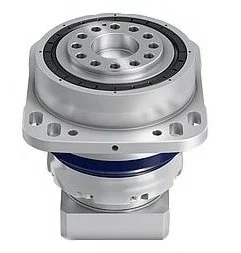
Efficiency and Service Life
Gearbox efficiency and service life should be considered alongside torque, speed and accuracy. The correct gearbox can reduce energy losses, minimise heat generation and provide reliable operation throughout the life of the machine.
EFFICIENCY
✓ Consider gearbox efficiency at the required operating point
✓ Higher efficiency reduces power losses
✓ Reduced losses can help minimise heat generation
✓ Particularly important in continuous-duty applications
SERVICE LIFE
✓ Consider operating hours and duty cycle
✓ Check radial and axial load requirements
✓ Allow for shock loads and frequent acceleration
✓ Correct sizing helps maximise gearbox life
✓ Follow the manufacturer’s lubrication requirements
Need Help Choosing the Right Gearbox?
Selecting the correct gearbox depends on the complete motion system, including motor speed, torque, gear ratio, inertia, backlash, duty cycle and application requirements.
Micromech can help you identify a suitable gearbox and servo motor combination for your application.