RTA
RTA is an Italian manufacturer specialising in high-precision motion control systems. The company designs and produces stepping motor drives and motion coordinators for modern automation applications. Through Micromech, UK engineers can access RTA products supported by expert guidance and local assistance.

Product Range
RTA offers solutions for multi-axis systems and complex automation applications. The company provides a complete range of stepping motor drives, featuring more than 60 models divided into six main typologies: Step&Direction, Step&Direction Advanced, Analog Input, Programmable, CANopen, and EtherCAT. The Flex-6-Nano is an integrated EtherCAT controller capable of managing up to 64 axes and is fully programmable using Motion Perfect software. The Flex-Drive series provides ultra-slim EtherCAT stepper drives that integrate seamlessly with TRIO MOTION Flexslice architecture, enabling modular multi-axis setups. The MC6N-ECAT motion coordinator allows central control of remote servo and stepper drives, offering advanced interpolation capabilities for high-precision motion.
Key Features and Advantages
RTA products are versatile, supporting a wide range of voltages (24–230 V) and currents (0.7–14 A). They are built for reliability and long service life in demanding industrial environments. Many units feature plug-and-play connectors and straightforward setup to reduce installation time. Furthermore, compatibility with communication protocols such as EtherCAT, Modbus TCP/IP, and CANopen ensures smooth integration into diverse automation systems.
Applications
RTA solutions are suitable for industries requiring precise and reliable motion control. They are ideal for packaging, labelling, woodworking, 3D printing, and textile machinery. Engineers rely on RTA products for accurate positioning, smooth motion, and consistent performance in multi-axis systems.
Why Choose RTA via Micromech
Sourcing RTA products through Micromech ensures access to high-quality motion control solutions with expert support. This allows engineers to implement optimised and reliable systems while reducing commissioning time and integration challenges.
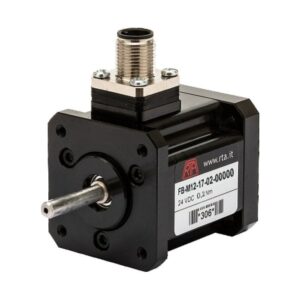
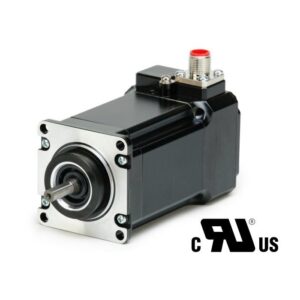
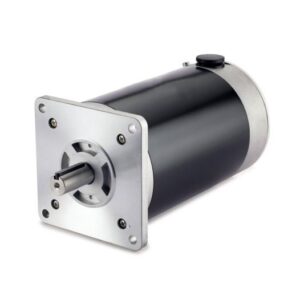
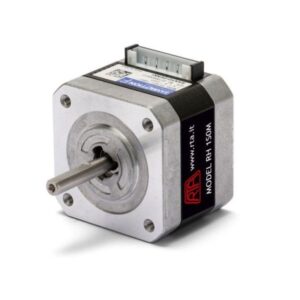
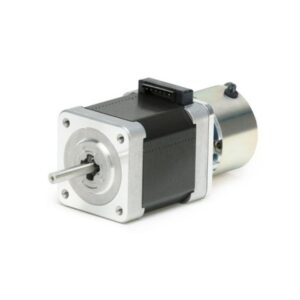
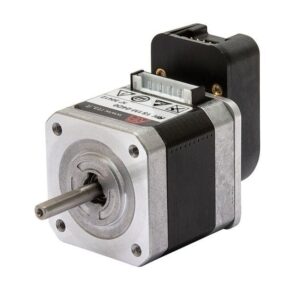
Stepper Drives
-
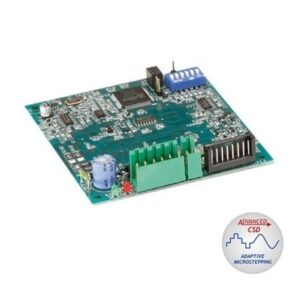
A-CSD – Open Frame, Stepping Motor Drive
-
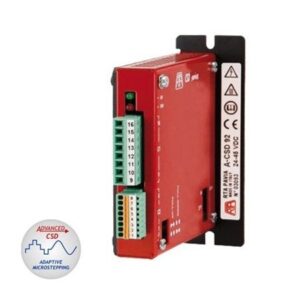
A-CSD – Boxed, Stepping Motor Drive
-
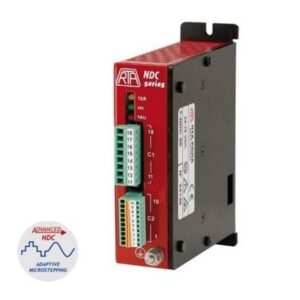
A-NDC – Boxed, Stepping Motor Drive
-
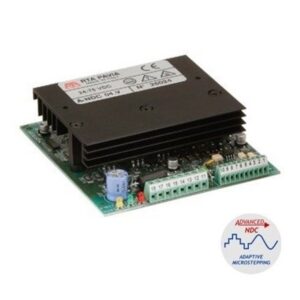
A-NDC – Open-Frame, Stepping Motor Drive
-
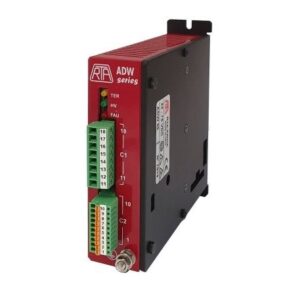
ADW – Boxed, Stepping Motor Drive
-
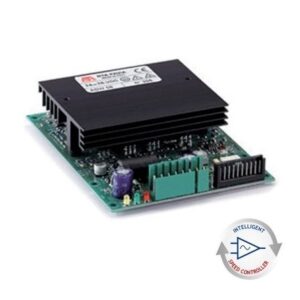
ADW – Open-Frame, Stepping Motor Drive
-
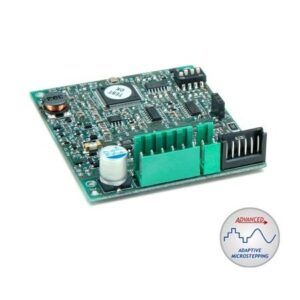
BSD – Open-Frame, Stepping Motor Drive
-
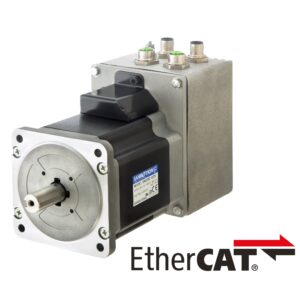
HI-MOD ET/ETS EtherCAT Stepper Motor and Drive Combo Unit
-
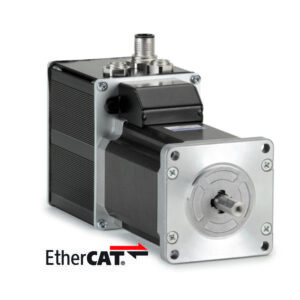
R-MOD ET EtherCAT Stepper Motor and Drive Combo Unit
-
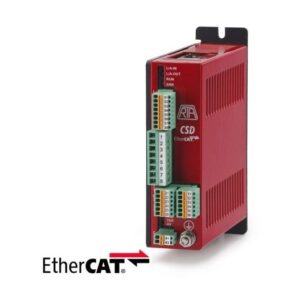
CSD ET – Boxed, Stepping Motor Drive
-
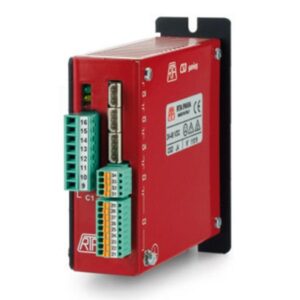
CSD J – Boxed, Stepping Motor Drive
-
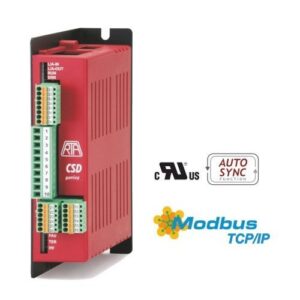
CSD MT – Boxed, Stepping Motor Drive
-
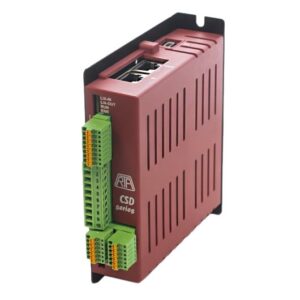
RTA – CSD HT Series
-
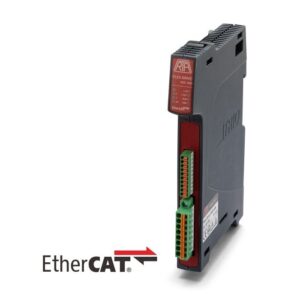
FLEX-DRIVE
-
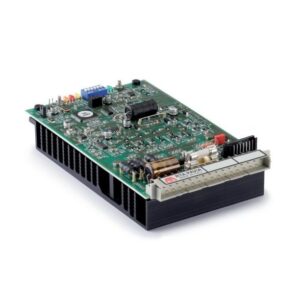
GMD / GMH (EUROCARD) – Stepping Motor Drive
-
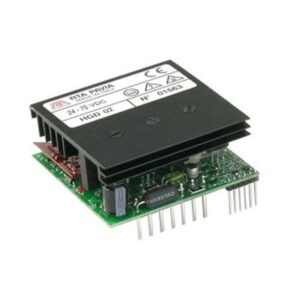
HGD – Open-Frame, Stepping Motor Drive
-
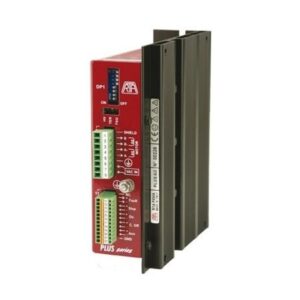
PLUS – Boxed, Stepping Motor Drive
-
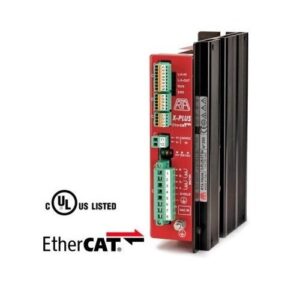
PLUS ET – Boxed, Stepping Motor Drive
-
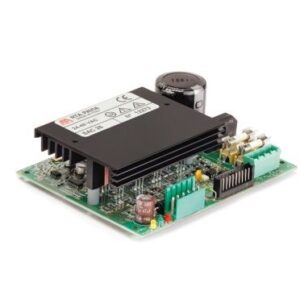
SAC – Open Frame, Stepping Motor Drive
-
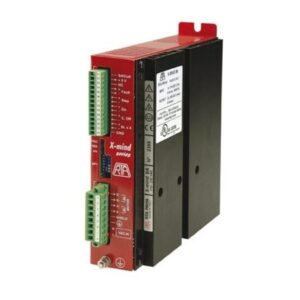
X-MIND – Boxed Stepping Motor Drive
-
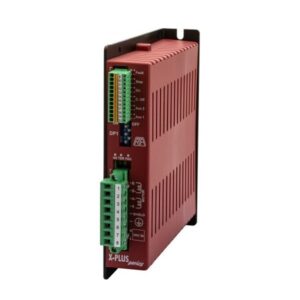
X-PLUS – Boxed, Stepping Motor Drive
-
X-PLUS ET – Boxed Stepping Motor Drive
-

X-PLUS ET with STO (SIL3) function – Boxed Stepping Motor Drive
-
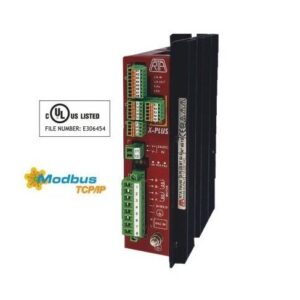
X-PLUS MT – Boxed Stepping Motor Drive
-
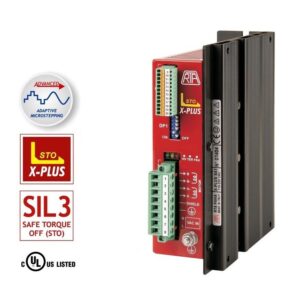
X-PLUS with STO (SIL3) function – Boxed, Stepping Motor Drive