Linear actuators play a vital role in industrial automation, providing controlled movement for applications ranging from material handling and packaging machinery to medical equipment and precision positioning systems.
With various actuator types and drive technologies available, selecting the right solution requires careful consideration of load capacity, speed, stroke length, accuracy and operating conditions. Understanding these factors can help engineers achieve reliable performance, improve efficiency and extend equipment service life.
This guide explores the key considerations when choosing a linear actuator and the different technologies available to meet specific application requirements.
At a Glance: Key Considerations When Choosing a Linear Actuator
Load Capacity
Determine the force required to move and support the load.
Speed & Stroke Length
Consider travel distance, operating speed and acceleration.
Accuracy & Repeatability
Identify the positioning precision required.
Duty Cycle
Assess operating frequency and expected service life.
Operating Environment
Account for temperature, moisture, dust and other conditions.
Actuator Technology
Choose between screw-driven, belt-driven and direct-drive solutions.
Understanding the Different Types of Linear Actuators
Linear actuators are available in several configurations, each offering different advantages depending on the application, required performance and available installation space.
Electric Linear Actuators
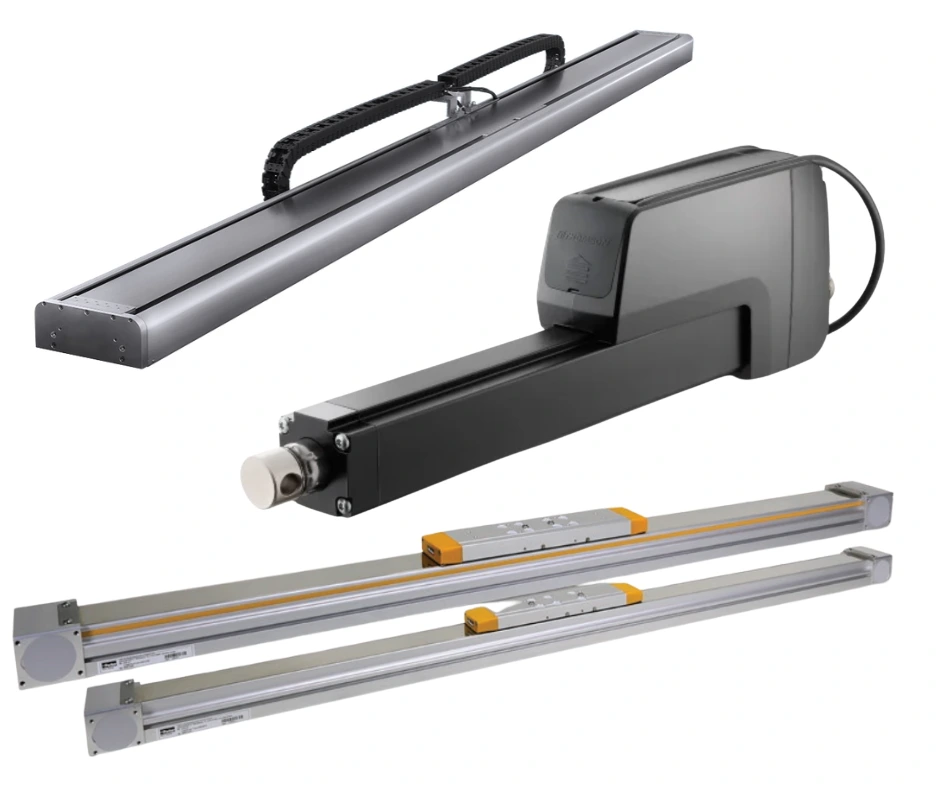
Electric linear actuators use a motor and mechanical drive system to provide controlled linear movement. They are widely used in automation, material handling and machinery adjustment applications.
Rod-Type Actuators
Rod-type actuators extend and retract a rod to push, pull, lift or position loads. They provide a practical solution for applications requiring straightforward linear movement.
Rodless Actuators
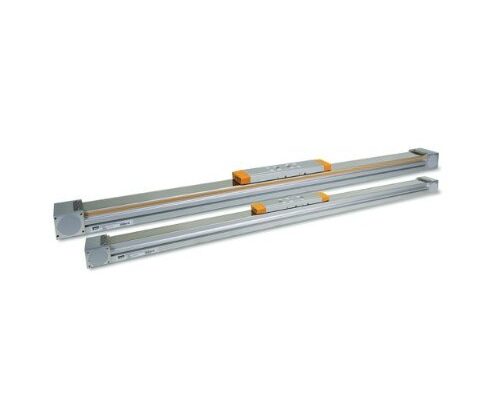
Rodless actuators move a carriage along the actuator body, allowing longer travel distances without requiring additional space for an extending rod.
Precision Linear Stages
Precision linear stages provide accurate, repeatable positioning and are commonly used in inspection equipment, laboratory automation and high-precision manufacturing.
Direct-Drive Linear Motors
Direct-drive linear motors generate linear movement without a conventional mechanical transmission, offering smooth motion, high acceleration and precise positioning.
Matching Linear Actuators to Applications
Linear actuators are used across a wide range of industries, with different technologies suited to specific movement, load and positioning requirements.
Packaging & Automation
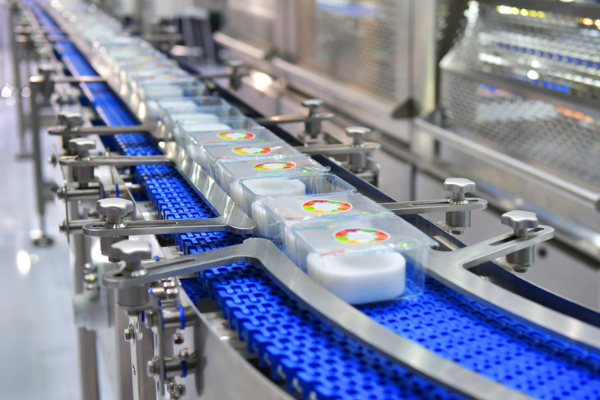
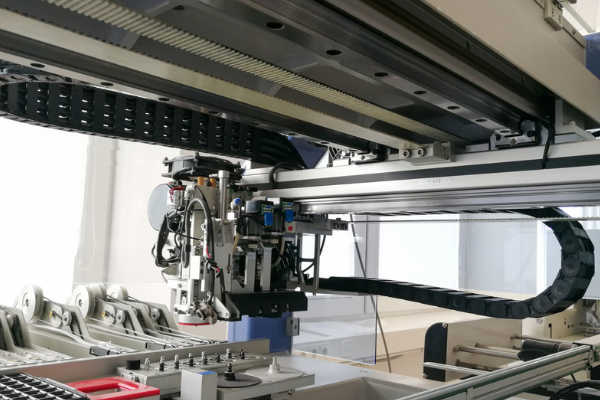
Linear actuators provide controlled movement for product positioning, adjustment, sorting and automated handling operations.
Material Handling
Actuators are used for lifting, transferring and positioning loads in automated production and handling systems.
Precision Positioning
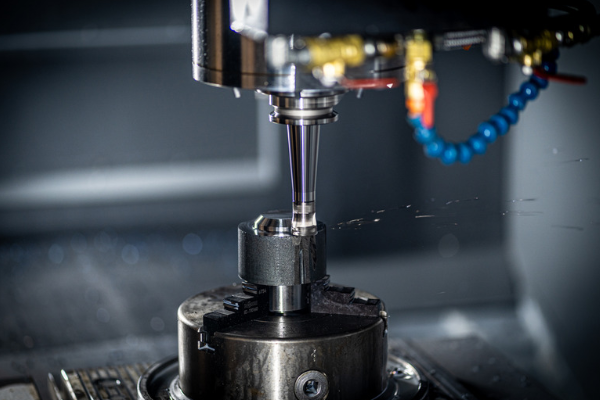
Precision stages and direct-drive systems deliver accurate, repeatable movement for inspection, measurement and manufacturing equipment.
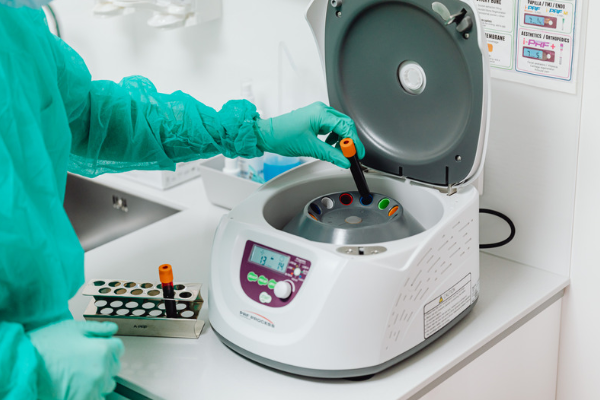
Medical & Laboratory Equipment
Compact actuators and positioning systems support controlled movement in diagnostic instruments, laboratory automation and medical devices.
Key Considerations When Selecting a Linear Actuator
Selecting the right linear actuator requires careful consideration of the application’s mechanical, performance and environmental requirements. The following factors will help determine the most suitable solution.
Load Capacity
The actuator must be capable of moving and supporting the required load. Consider axial forces, side loads and the additional forces generated during acceleration and deceleration.
Speed & Stroke Length
Stroke length determines the required travel distance, while speed and acceleration affect how quickly the movement can be completed. These factors should be assessed together to ensure suitable performance.
Accuracy & Repeatability
Accuracy refers to how closely an actuator reaches its intended position, while repeatability describes its ability to return consistently to the same position. Precision applications may require additional feedback and control.
Duty Cycle & Service Life
Consider how frequently the actuator operates, including continuous running, repeated starts and stops, and expected operating hours. Selecting an actuator with an appropriate duty cycle helps maintain reliability and minimise wear.
Operating Environment
Temperature, moisture, dust, vibration and exposure to chemicals can all influence actuator performance. Applications involving washdown, cleanrooms or hazardous environments may require specialised designs or protection.
Mounting & Installation Space
Available installation space, mounting orientation and load alignment can influence actuator selection. Consider the overall dimensions, required clearance and whether additional guidance or support is needed.
Choosing the Right Linear Actuator Drive Technology
| Drive Technology | Key Advantages | Typical Applications |
|---|---|---|
| Lead Screw | Compact, simple design; suitable for moderate speeds and loads | Adjustment mechanisms, light-duty positioning |
| Ball Screw | High efficiency, good load capacity and accurate positioning | Industrial automation, precision machinery |
| Belt-Driven | High speeds and long travel distances | Material handling, packaging, gantry systems |
| Direct-Drive Linear Motor | High acceleration, smooth motion and precise control | Semiconductor equipment, inspection, high-speed positioning |
Linear Actuator Solutions from Micromech
Micromech supplies a comprehensive range of linear actuators and precision positioning solutions from leading manufacturers, helping engineers select the right technology for their application.
- Parker – Electric linear actuators, rodless systems and precision positioning solutions for industrial automation.
- Thomson – Electric linear actuators designed for reliable performance in material handling, machinery adjustment and demanding environments.
- Akribis – Precision linear stages and direct-drive linear motors for high-speed, high-accuracy positioning applications.
Our experienced team can help you evaluate load requirements, speed, stroke length and positioning accuracy to identify the most suitable solution.
Need Help Choosing a Linear Actuator?
Whether you need a compact electric actuator, a long-stroke positioning system or a precision linear stage, Micromech can help you find the right solution.